
Create a Wallet
Understand control and backup before adding assets.
Learn more →Manage assets across networks, review send and receive details, understand DApp connections and approvals, and build practical wallet security habits with clear blockchain network knowledge.
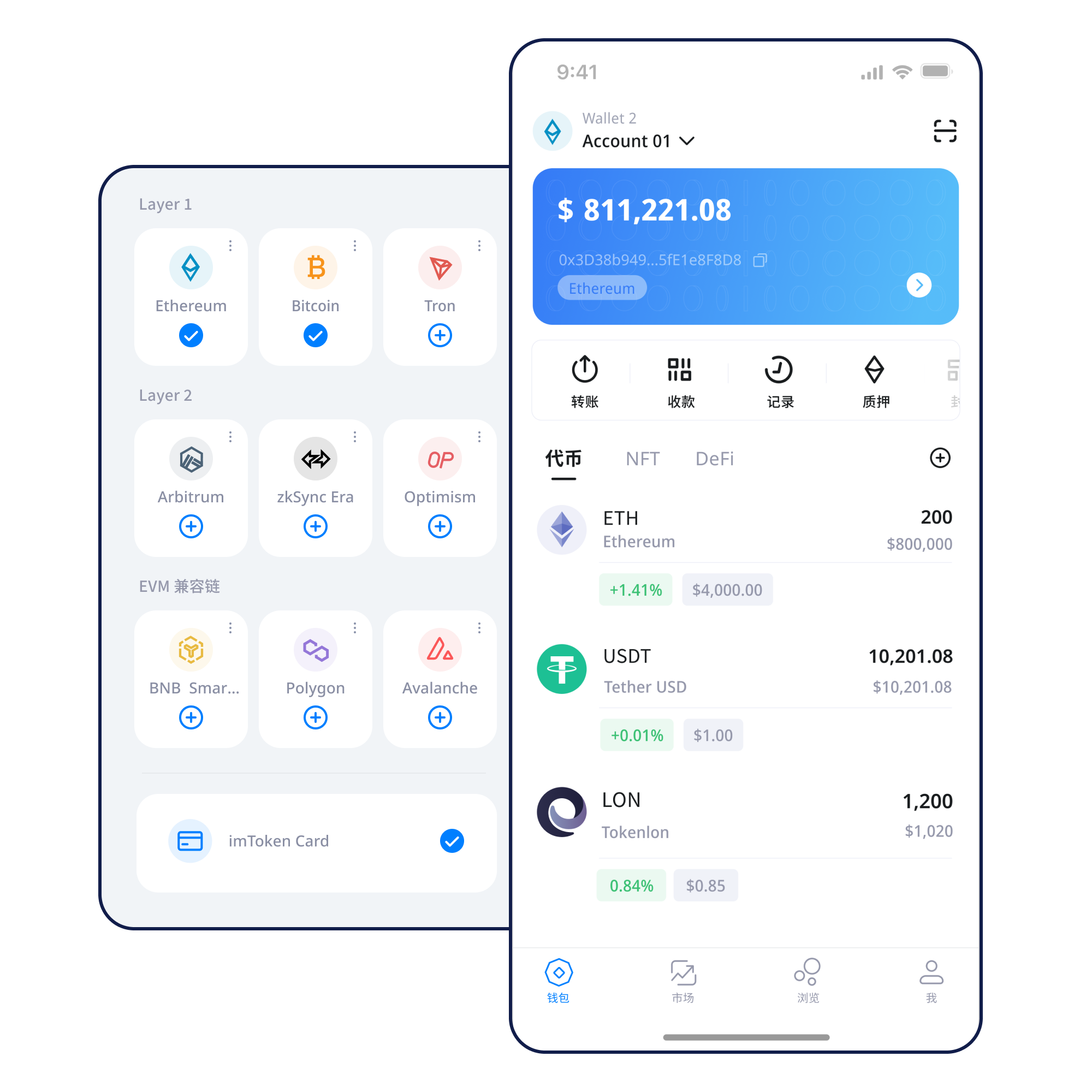
Each action has different network, permission and security checks.
Understand control and backup before adding assets.
Learn more →Keep seed information offline and private.
Learn more →Confirm the address and network together.
Learn more →Review network, amount, gas and recipient.
Learn more →Treat each signature and approval separately.
Learn more →
Separate assets by network, verify address context and understand confirmation status before moving value.
Learn about multi-chain use →Review receiving addresses, network, amount, gas and the transaction hash.
Transfer guide →Manage networks, review assets and check transaction records from a mobile workflow.
Browser connections make source, account requests, approvals and session management especially important.
Explore web use →
Keep seed phrases and private keys private, review approvals and avoid remote-control requests.
Multi-chain assets require network-aware balances, fees and transfer paths.
Use the network name, chain parameters, fee asset and transaction explorer together when checking where an action will be processed.
Explore this topic →Nodes, blocks and confirmations form the base of on-chain state.
Use the network name, chain parameters, fee asset and transaction explorer together when checking where an action will be processed.
Explore this topic →
Compatible execution environments share patterns while keeping distinct network state.
Use the network name, chain parameters, fee asset and transaction explorer together when checking where an action will be processed.
Explore this topic →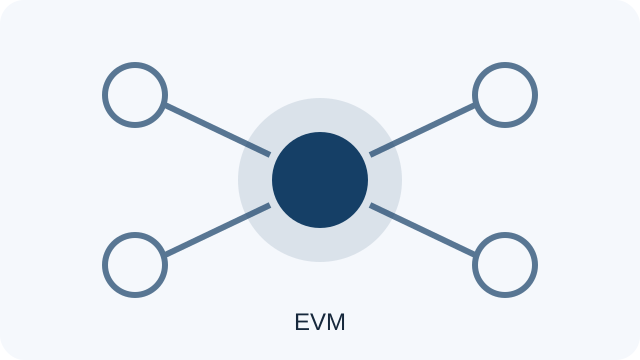
Layer 2 systems add execution capacity while maintaining a defined relationship with a base chain.
Use the network name, chain parameters, fee asset and transaction explorer together when checking where an action will be processed.
Explore this topic →
Understand fees, pending states and confirmation depth before troubleshooting.
Use the network name, chain parameters, fee asset and transaction explorer together when checking where an action will be processed.
Explore this topic →Use the official download entry and review the page before continuing.
Understand whether you are creating new control material or restoring an existing wallet.
Keep the seed phrase offline and never send it to another person.
Match the network with the receiving side and expected asset.
Review address, amount, gas and the final confirmation screen.
Keep the transaction hash and remove permissions you no longer need.
Connecting a wallet does not mean every later signature or approval should be accepted.
Open the Web3 guide →Wallet security begins with control material such as seed phrases and private keys, but it also includes phishing resistance, device hygiene, transaction review and permission management. A wallet cannot independently reverse an on-chain transaction or guarantee third-party contracts. Build habits that reduce the chance of approving the wrong request in the first place.
Open Security Center →Start with addresses, seed phrases, private keys and networks. Then learn gas, transaction hashes, DApp sessions and approvals. This order helps connect ownership, transaction execution and permission management into one mental model.
Read the beginner guide →How nodes, blocks and confirmations describe transaction progress.
Understand compatible execution, gas and contract interaction.
Learn base-chain relationships, bridges and arrival checks.
Review spenders, allowances and ongoing permissions.
Build practical key, device and transaction habits.
Use terms to read wallets and explorers more clearly.
Ethereum PoS uses validators to propose and attest to blocks. Rewards depend on protocol rules and network state, while exit processing can involve queues and waiting periods.
Read staking basics →Validator penalties, contract risk, waiting periods, market volatility and third-party service risk should be evaluated together. Staking does not guarantee returns.
Learn about validators →Unused permissions can remain active until revoked. Periodically review them.
Asset symbols should be interpreted together with the active network.
Never send a seed phrase, private key or verification code to anyone.
PoS participation can include variable rewards, penalties and waiting periods.
imtoken is a multi-chain wallet, blockchain network, Web3 guidance and wallet security information hub.
Both are closely related to wallet control. A seed phrase is commonly used for recovery, while a private key controls an account. Neither should be submitted to a website, support agent or third party.
Offline storage reduces exposure to screenshots, cloud synchronization, messaging apps and other online storage risks.
An address may look the same across several EVM networks, but assets exist on a specific network. Sender and recipient should agree on the destination network.
Gas measures execution resources on-chain. The final fee also depends on network demand, transaction complexity and fee parameters.
A transaction hash is an identifier used to locate a transaction on a block explorer and review status, block, sender, recipient and fees.
After inclusion in a block, later blocks add further confirmations. Required confirmation counts vary by network and use case.
No. A connection normally opens an account interaction session. Signatures, approvals and transactions still need separate review.
Use the unified download entry. Always review the network, address and request details before acting.